
Nvidia leads AI stock recovery after midterm election shock
Wall Street capped a volatile week with mixed results as the S&P 500 narrowed its weekly decline and global markets stabilized.
By Nadia Rahman ·
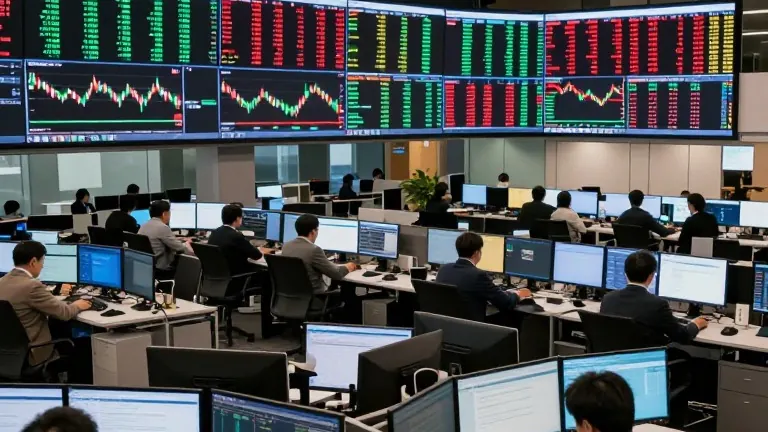
AI stocks rebounded Friday, halting a global sell-off that had rattled investors following the Democratic midterm election victories. The U.S. stock market closed mixed, but the recovery in tech-heavy sectors helped limit the damage from the previous two days of trading.
The S&P 500 gained 0.3% on Friday, reducing its weekly loss to 2.7%. That weekly drop stands as the worst for the index since the market turmoil triggered by President Donald Trump’s tariffs in April 2025. The Dow Jones Industrial Average fell 237.33 points, or 0.5%, to end at 51,285.73. The Nasdaq composite, which holds many of the largest technology companies, rose 1.1% to finish at 24,579.42.
Nvidia served as the primary driver for the S&P 500’s gain. The chipmaker’s stock climbed 2.8% on Friday, recovering from drops of 9.3% and 3.2% earlier in the week. Investors had grown wary that Democratic control of state legislatures, particularly in Texas, might slow the construction of new AI data centers due to rising power costs and public concern over energy consumption.
Other companies tied to the AI infrastructure build-out also saw their shares rise. IREN, a provider of data centers and software, jumped 20% after reporting quarterly results that beat analyst estimates and announcing two new contracts. Lam Research, which manufactures semiconductor equipment, climbed 8.2% following the announcement of a share buyback program worth up to $25 billion. CoreWeave, a cloud provider for AI chips, rose 6.3%, while Micron Technology gained 5.1%.
Not all tech stocks fared well. Axon Enterprise, the maker of Tasers, plunged 18.2% after reporting weaker quarterly results and announcing a $1.2 billion investment in drone company Skydio. Charter Communications fell 6.2% after posting a quarterly loss when analysts had expected a profit.
In the bond market, yields firmed up after earlier drops. The yield on the 10-year Treasury rose to 4.86% from 4.84% late Thursday. This shift followed a report showing U.S. employers hired more workers last month than economists had predicted. Strong job growth suggests the economy can withstand a potential slowdown in AI spending, but it also raises the likelihood of inflation. Traders now see a higher probability that the Federal Reserve will hike interest rates at its December meeting.
A separate survey from the University of Michigan indicated that consumer sentiment unexpectedly improved. While sentiment rose for lower- and middle-wealth Americans, it declined for those with the largest stock portfolios. The survey also found that expectations for inflation in the coming year eased, a factor that could help prevent a cycle where high inflation expectations drive further price increases.
Despite the week’s volatility, the S&P 500 remains just 5.7% below its all-time high set last month. The market’s ability to absorb the political and economic shifts will be tested as investors continue to assess the impact of split power in Washington.
More Business · Consumer Watch · Report a business · Got a Story?