Florida voters join 18 states handing governorships to Democrats in 2026
In a historic shift for the Sunshine State, Democrats captured 18 governor races nationwide, a result that reshapes the political landscape for Redington Beach and Pinellas Park residents.
By Oliver Bennett ·
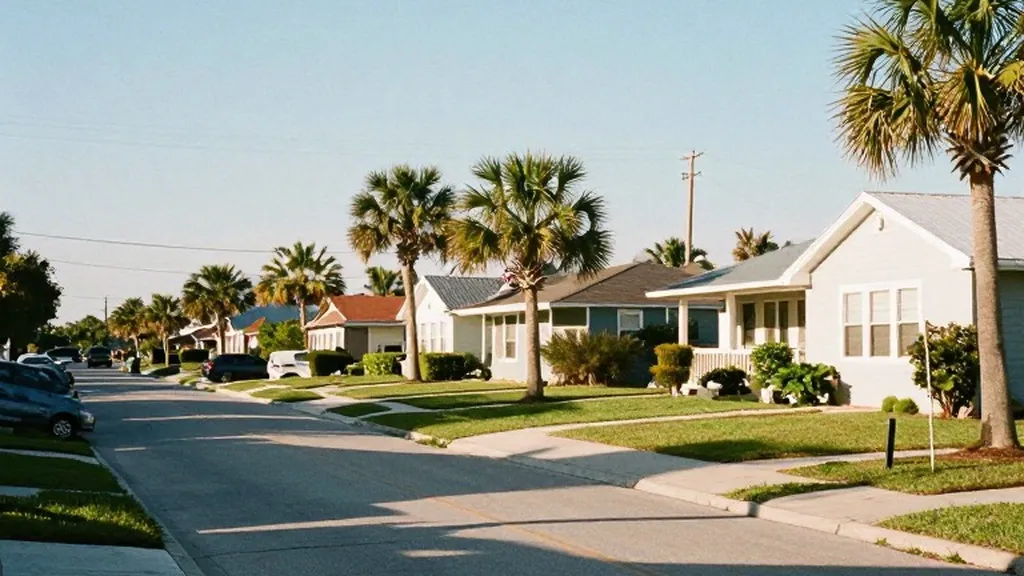
Voters in Redington Beach, Largo, and Pinellas Park cast their ballots on Tuesday, November 3, 2026, to decide the next governor of Florida and select representatives for every U.S. House seat in the state. The polls were open from 7 a.m. to 7 p.m., with the state split between Eastern and Central time zones. This election cycle featured an open gubernatorial seat, as no incumbent was running for another term. The ballot included candidates from the Democratic, Libertarian, No Party Affiliation, and Republican parties, reflecting the diverse political options available to residents in the Pinellas County area.
The national results reveal a significant realignment in state executive offices. As of 4 p.m. EST on November 6, Democrats have won 18 of the 36 governor races decided, while Republicans have secured 12. Two races remain uncalled, one previously held by Democrats and one by Republicans. This 18 to 18 split among the decided races marks the first time Democrats have held a majority of governorships since before the 2010 elections. The outcome signals a major shift in state power, with Democrats winning a plurality of state government trifectas and state legislative chambers across the country.
Florida is one of the 19 open seats in the 2026 governor races, meaning the winner will be stepping into a role without an incumbent to defend. The state did not have a U.S. Senate election this year, focusing statewide attention on the gubernatorial contest and the federal House races. The decision in Florida is part of a broader trend where five states changed party control in the governorship. The shift highlights the competitive nature of the 2026 midterms, where voters in nine battleground states played a decisive role in determining the balance of power at the state level.
The election results also reflect a wave of Democratic victories in the U.S. House and Senate. Democrats picked up at least 43 House seats, 42 of which were previously held by Republicans and one held by an independent. They also gained seven Senate seats, all previously held by Republicans. With these gains, Democrats will hold at least a 250 to 157 majority in the House and a 54 to 44 majority in the Senate. This net loss of at least seven Senate seats for Republicans places the 2026 elections in the top 20 percent of election years in terms of seat swings against a president’s party, a threshold often defined as a wave election.
In Redington Beach and surrounding communities, the impact of these results will be felt through changes in state leadership and federal representation. The new governor will work with a state legislature that has seen significant shifts in party control. In 44 of the 46 states where at least one trifecta office was on the ballot, the status of government control has been decided. There are now 20 Democratic trifectas, 16 Republican trifectas, and eight divided governments. Two states remain undecided. Eleven states changed status, with six moving from divided governments to Democratic trifectas and five shifting from Republican trifectas to divided governments.
The 19 open seats in the governor races presented a unique challenge for political parties, as candidates had to establish their platforms without the advantage of name recognition associated with incumbency. This dynamic was evident in Florida, where the race attracted national attention due to the state’s size and electoral significance. The absence of an incumbent allowed for a fresh debate on policy issues, with candidates from multiple parties competing for the support of voters in towns like Largo and Pinellas Park. The results of these open seats will shape the agenda for state governments in the coming years.
Republicans’ net loss of 42 House seats falls short of the 48 seats needed to qualify as a wave election in the lower chamber, though uncalled races could still change that total. The party’s loss of at least seven Senate seats is a more definitive indicator of the shift in power. This change in the Senate composition will affect the legislative process, including the confirmation of judges and the passage of bills that require a supermajority. The new balance of power in Congress will likely lead to increased oversight of the executive branch, with the new Democratic leadership planning for a robust agenda.
The election also saw the selection of new House leadership. Rep. Jim Jordan of Ohio won the race to serve as House Republican leader in the minority, defeating Rep. Steve Scalise of Louisiana in a secret ballot election. The vote was 106 to 73. Jordan, a co-founder of the House Freedom Caucus, will lead a historically small Republican conference as the party begins to grapple with its loss of power. He emphasized the need for offense rather than defense, stating that the party’s job is not merely to spotlight the new Democratic majority. The new leadership will face the task of rebuilding the party’s ranks and preparing for the 2028 elections.
In the Senate, Republicans are holding a robust conversation about their future and whether to keep South Dakota Sen. John Thune as their leader. Thune is expected to be reelected, given his popularity with colleagues and the fact that he is running unopposed. However, some Republicans have called for a delay in the leadership elections to allow for more soul-searching after the steep losses. The party is just beginning to reckon with what the election results mean for its lawmakers and how soon it can try to rebuild its ranks. Two additional races remain uncalled in Alaska and Mississippi that could further deplete their numbers.