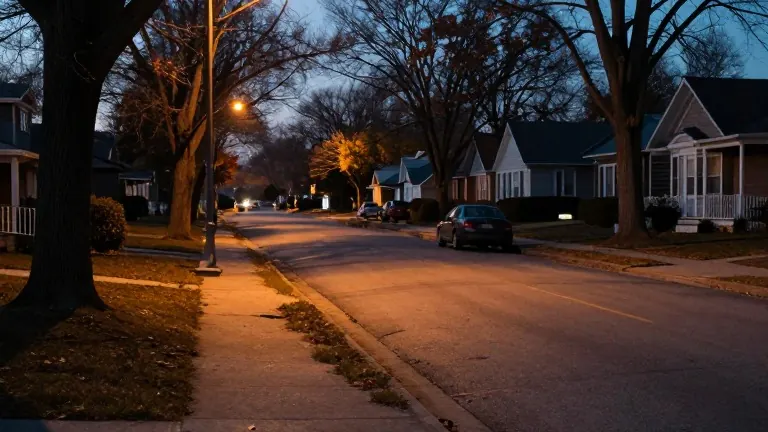
Housing Gap: Single-Story Homes Fall Short of Aging Demand
A new analysis suggests the national supply of accessible dwellings is insufficient for a growing senior population, prompting calls for earlier planning.
By Oliver Bennett ·
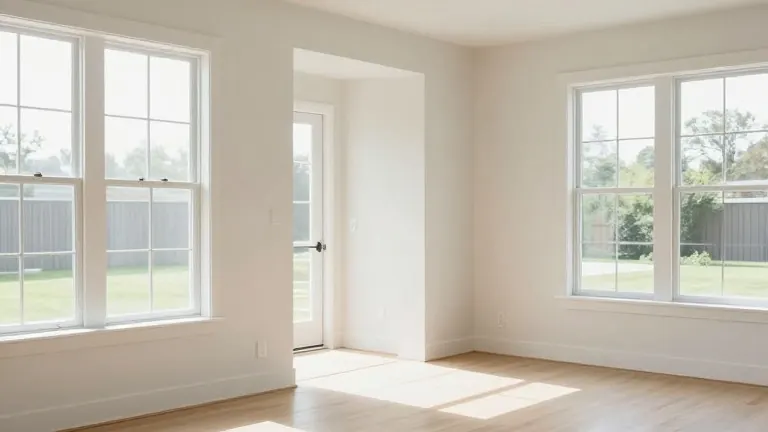
A shortage of accessible housing is emerging as a distinct problem for American seniors. Recent data indicates that the current supply of homes designed for aging in place does not match the projected needs of the population over the next few decades.
The U.S. Census Bureau published a data analysis in 2019 that found the national stock of aging-ready homes may be inadequate for the growing number of older households. The report defined these dwellings by specific features: a bedroom and a full bathroom on the first floor, along with a step-free entryway.
Demographic shifts underscore the urgency of the finding. In 2019, one in six Americans was 65 or older. By 2060, that ratio is expected to reach one in four. As the population ages, the demand for multi-generational housing has risen, yet inventory of suitable properties remains low.
Heather Simon, a mortgage lender with 35 years of experience, has observed a shift in client requirements over the last six to seven years. She notes that many couples who have lived in large, multi-level homes for decades are now seeking properties that accommodate their changing physical needs.
Simon described clients who own homes of 4,000 to 5,000 square feet but now require single-level spaces. These buyers look for aging-in-place features such as a master suite on the first floor, wider hallways, fewer stairs, and zero-step showers. "It seems to be a problem," Simon said, referring to the difficulty of finding homes conducive to long-term residency in multi-story structures.
She explained that in Virginia, there is a noticeable lack of one-story or one-level homes that are appropriately sized for couples downsizing. She added that this issue is not limited to the region. "But all over the country, we’re having problems with moving our parents into the right place that’s going to fit their health needs, their lifestyle," Simon said.
Beth Powell, who owns Home with Heart and assists clients in downsizing, agrees that the market is missing the right product. She argued that patio homes are not a suitable solution for many seniors. "A patio home is not the answer because, one, they’re not accessible. Two, they’re very expensive," Powell said. She questioned why a homeowner who has paid off their current residence should take on substantial debt at the end of their life.
Both experts recommend that the aging population perform a cost analysis of their options. This includes evaluating the pros and cons of retrofitting an existing home, purchasing a new property, or building a custom home. Simon noted that the transition is often emotional and requires months of planning. "If you have a couple that have lived in their house for 30, 40, 50 years and they’ve lived in this 5,000 square foot house and now they have to downsize to a 2,000 square foot house. That’s a huge transition," Simon said.
The decision to move often occurs after a crisis, such as a fall, which limits options and increases costs. Powell and Simon both advise starting conversations about housing needs before such a worst-case scenario happens. They suggest working with a team to find the right fit for all family members.
Until the inventory of senior-friendly homes increases, retrofitting existing structures to accommodate multiple generations is expected to remain a growing trend.