
Mississippi Psychiatrist Links Fall Time Change to Mental Health Strains
Dr. Katherine Pannel warns that the shift in daylight hours and reduced sun exposure can trigger seasonal affective disorder symptoms for vulnerable patients.
By Nadia Rahman ·
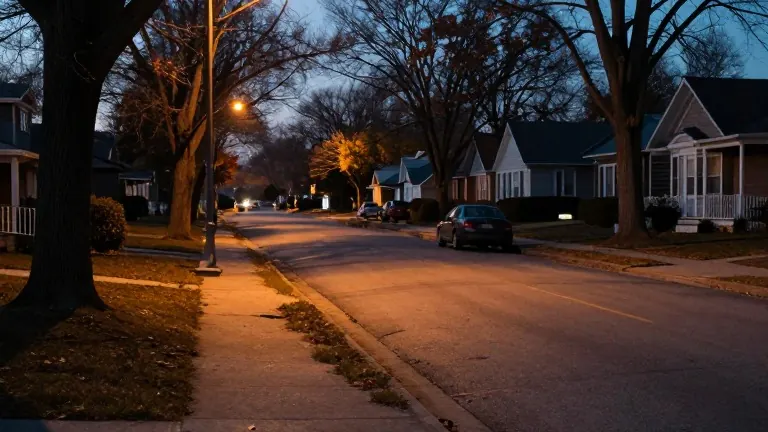
The end of daylight saving time brought an extra hour of sleep to many Americans last Sunday, but a medical expert in Mississippi says the seasonal shift carries hidden risks for psychological well-being. Dr. Katherine Pannel, the president-elect of the Mississippi Psychiatric Association, spoke to WDAM on Nov. 6 about how the transition affects her practice.
Pannel noted that while the total amount of daylight remains constant during the change, the timing shifts. Specifically, the adjustment moves one hour of light from the evening to the morning. This redistribution means that as people finish their workdays, they encounter darkness much earlier than they did in the summer months.
"As a psychiatrist, I’ve got to be honest, I don’t love the time change," Pannel stated. She explained that this period often marks a turning point for individuals who have previously managed their conditions effectively. "This is when I see patients that have been doing well start to struggle again," she said.
The reduction in natural sunlight as days shorten contributes to seasonal affective disorder, a form of depression that follows a seasonal cycle. Pannel identified several behavioral markers that signal this condition is taking hold. These include increased isolation, lower mood, irritability, and disruptions to sleep patterns.
For those working standard day jobs, the earlier sunset limits the window for outdoor activity before nightfall. "You’re leaving work in the dark, and you’re spending more time in the dark," Pannel observed. This lack of exposure can compound feelings of fatigue and make it difficult to concentrate or find interest in daily activities.
Health experts advise maintaining a consistent sleep schedule and engaging in physical activity to mitigate these effects. Pannel recommends that individuals spend time outdoors during daylight hours whenever possible. She encourages people who notice persistent mood changes interfering with their daily lives to consult a healthcare professional.
The days will continue to shorten until the winter solstice in December. Until then, Pannel and other specialists expect to see ongoing challenges for patients dealing with seasonal shifts in light and routine.