Florida voters elect new governor as Democrats seize Congress
With no incumbent running, Florida residents cast ballots for a new chief executive while national races shift power to the House.
By Oliver Bennett ·
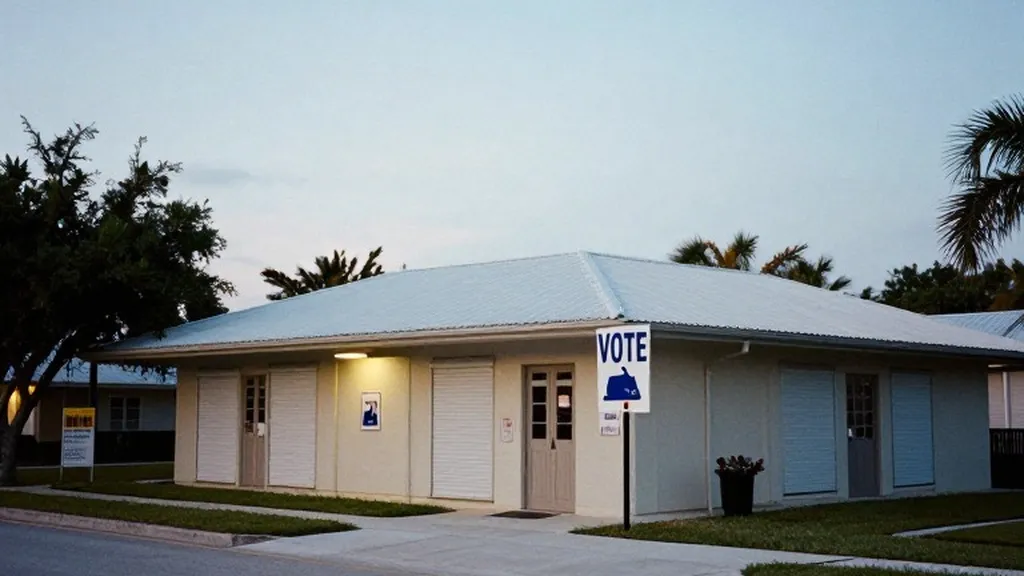
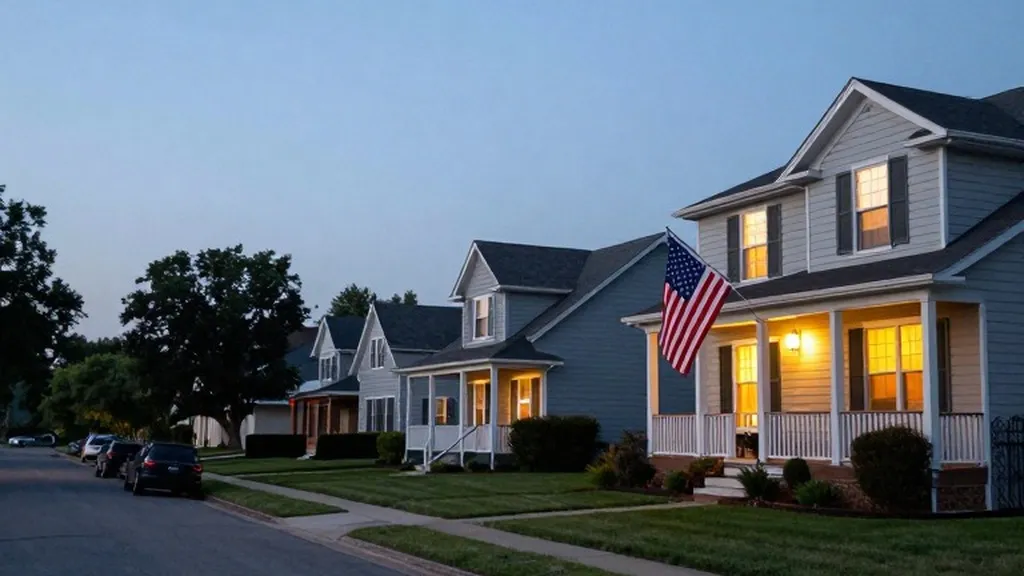
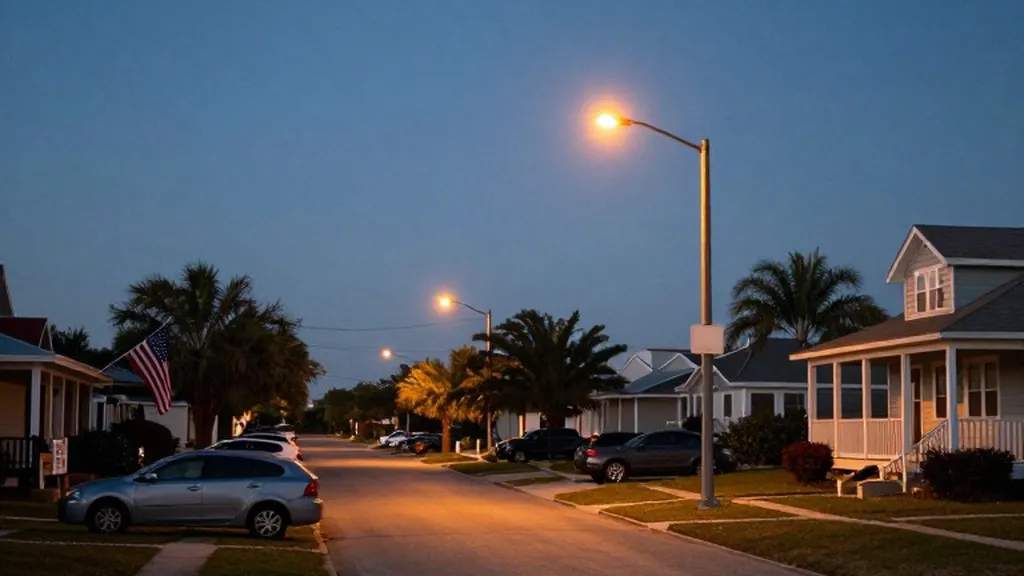
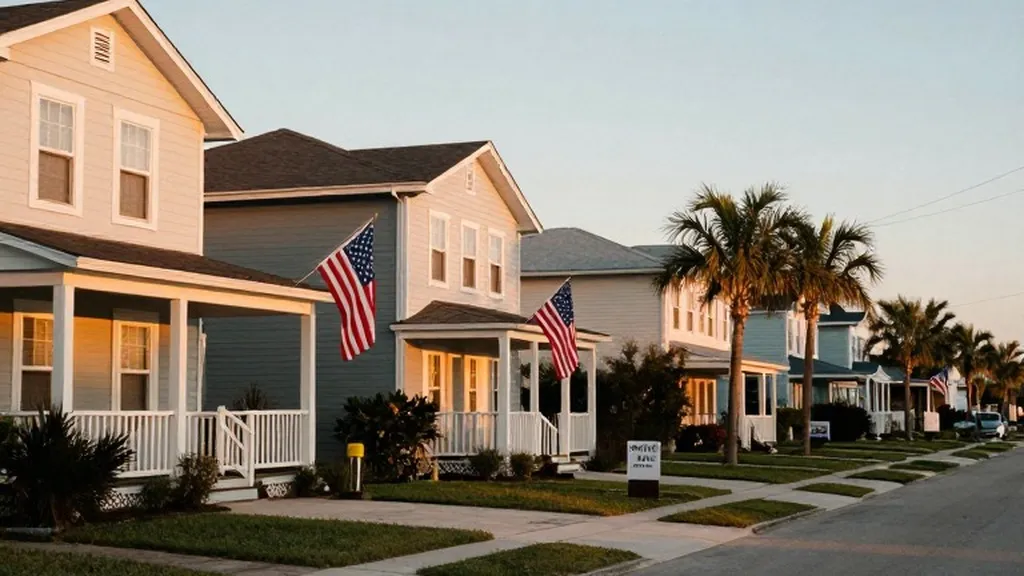
Polls in Redington Beach, Pinellas Park, and Largo closed at 7 p.m. on Tuesday, November 3, 2026, as voters completed the process of electing a new Florida governor. This was an open seat with no incumbent on the ballot, a rare circumstance that drew high attention to the race across the state. The general election for governor was one of the most significant contests in Florida history, featuring candidates from the Democratic, Republican, Libertarian, and No Party Affiliation lines.
Voters in Florida also decided the fate of every U.S. House seat in the state. The state is divided between the Eastern and Central time zones, which created a staggered closing time for polling locations across the region. Residents in the Eastern Time Zone, including those in Redington Beach, cast their ballots under the 7 p.m. deadline, while those in the Central Time Zone had until 6 p.m. local time. This division required careful coordination for early voting and mail-in ballots in the weeks leading up to the election.
Florida did not hold a U.S. Senate election this year, which placed the focus squarely on the executive branch and the congressional delegation. The state's congressional delegation is now fully renewed, with every district holding a fresh election. This complete turnover in the House representation for Florida means that the political makeup of the state's delegation has shifted to reflect the current electorate's preferences. The results in these races will determine how Florida's interests are represented in the federal legislature for the next two years.
Locally, residents in Redington Beach and surrounding areas voted in municipal and school board elections. These local races are critical for determining the direction of city management, school policies, and local infrastructure projects. The outcome of these contests will affect daily life for thousands of families in the area, from traffic management to educational funding. Local officials in Largo and Pinellas Park will also take office after the certification of results, ready to implement their campaign promises.
Statewide ballot measures were also on the vote, allowing Florida citizens to decide directly on specific policy changes. These measures varied in topic, covering issues from taxation to environmental protections. The results of these votes will shape state law for the coming years, potentially altering how the state government operates. Florida voters have historically been influential in shaping national trends, and the outcomes of these measures will likely be closely watched by policymakers in other states.
Nationally, the election results signaled a significant shift in power in Washington. Democrats secured healthy majorities in both the House and the Senate, positioning them to lead investigations into the executive branch. President Donald Trump took a combative stance toward the incoming congressional leadership, describing investigative requests as extortion at the highest level. Attorney General Todd Blanche echoed this sentiment, suggesting that criminal investigations of Democrats were possible. This rhetoric sets the stage for a contentious relationship between the White House and Congress in the coming months.
Rep. Robert Garcia, who is poised to chair the House Oversight Committee, declared that the days of Democrats not fighting back are over. He stated that the party is preparing investigations into what he called the Trump crime family. Democratic House leader Hakeem Jeffries said impeachment is an option, emphasizing the need to hold those who shortchange the American people accountable. Jeffries, who is on the cusp of becoming the nation's first Black House speaker, also cast doubt on working with Stephen Miller, whom he called an awful choice for chief of staff.
The election also brought historic milestones for Native American women in politics. Crystalyne Curley was elected the first woman president of the Navajo Nation, surpassing a childhood dream she formed after witnessing a tribal debate. Peggy Flanagan became the first Native American woman elected to the U.S. Senate in Minnesota. Deb Haaland became the first female Native governor of a U.S. state in New Mexico. These victories represent a turning point for Native American women, whose leadership has rarely translated to formal political power in the past.
Jordan James Harvill, a strategist with Advance Native Political Leadership, described these wins as a seismic shift in communities. He noted that decades of political organizing are bearing fruit as more Native women run for and win office. Jennifer Nez Denetdale, a professor of Diné studies, observed that the language of tradition was used both to deride and support the possibility of a woman being president. Curley, who narrowly defeated attorney Justin Jones, said she faced sexist rhetoric while campaigning and expects to be held to a higher standard as the first woman president.
In the U.S. House, several Native American candidates won seats, including Sharice Davids and Josh Brecheen, who won reelection. Claire Valdez and Sean McCann became the first Native Americans elected to represent their states in Congress. These gains highlight a broader trend of increased representation for Native Americans in federal and state governments. The victories in state and tribal elections demonstrate a growing political presence for Native women, who are now leading major political entities and legislative bodies.
About seven in 10 voters nationally said Congress is not doing enough to provide checks and balances on the presidency, according to The AP Voter Poll. This sentiment appears to have driven the Democratic performance in the midterms. Voters expressed dissatisfaction with the current administration's handling of immigration enforcement, with about six in 10 saying the actions had gone too far. These polling results suggest that economic concerns and executive overreach were key drivers of voter behavior in the 2026 elections.