Boulder Police Pursue New DNA Methods to Identify JonBenét Ramsey Killer
Officials are weighing single nucleotide polymorphism testing to analyze complex biological samples collected during the 1996 investigation.
By Nadia Rahman ·
Thirty years after the discovery of a six-year-old girl's body in a Colorado basement, law enforcement is evaluating advanced genetic tools to identify her killer. The Ramsey family continues to seek a resolution to one of the nation's most persistent cold cases.
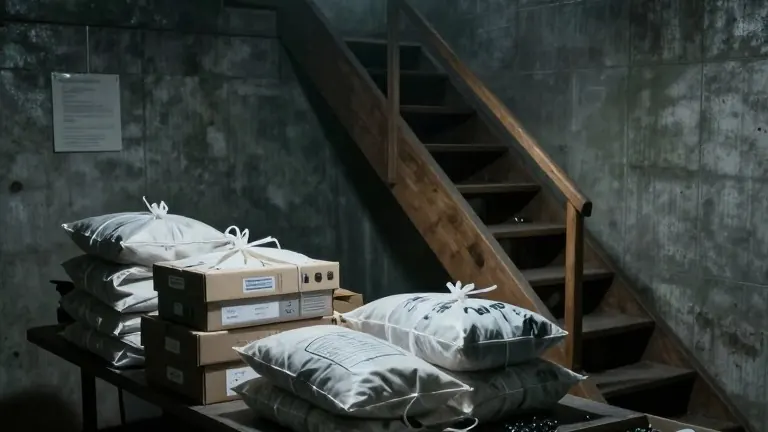
The investigation centers on biological evidence collected in December 1996. At that time, police recovered a ransom note from the Boulder home that demanded $118,000 for the safe return of JonBenét Ramsey. The note was addressed to her father, John Ramsey, and warned of severe consequences if he attempted to outsmart the kidnappers. Hours later, John Ramsey found his daughter's body in the basement.
Forensic analysis established that JonBenét suffered sexual assault and death from blunt force trauma to the head and strangulation. A makeshift corded device, described as a garrote, was used to cause her death. An autopsy report documented these specific causes of injury.
In 2008, investigators used touch DNA analysis to detect genetic material on the outside of the victim's pajama bottoms. This sample matched DNA found inside her underwear. Both samples traced to an unknown male and did not match any member of the Ramsey family. This finding led then-Boulder County District Attorney Mary Lacy to write to John Ramsey in 2008, stating that the immediate family was no longer under suspicion. Lacy noted that she wished the family had received that clarity before Patsy Ramsey died of ovarian cancer in 2006.
Despite that 2008 development, the case remained open. Some Boulder officials later suggested that a prosecutor should not clear suspects while an investigation is still active. The family has denied involvement in the death, pointing to the fact that only one of numerous handwriting comparisons linked the ransom note to Patsy Ramsey's writing.
Current efforts focus on single nucleotide polymorphism testing. This technology can retrieve DNA from miniscule samples. When combined with genetic genealogy, it allows officials to match DNA to distant relatives in law enforcement databases. Boulder Police Chief Stephen Redfearn said his department is in talks with labs capable of running these tests. He noted that the department is waiting for full confidence that the technology is sufficient to produce useful results.
Redfearn explained that the samples from the crime scene are complex because multiple DNA strands are mixed together. This makes it difficult to match a single individual. He warned that if a sample is very small, the testing process may consume it. "We might get lucky because we may only, in some circumstances, with what we have, have one shot at getting it tested," Redfearn said. He confirmed that police are re-interviewing suspects and testing new evidence.
ABC News aired a new investigation on Nov. 6, featuring 19 interviews with investigators, forensic scientists, and genealogy experts. The report included comments from JonBenét's brothers. Burke Ramsey, who has kept a low profile since the murder, said the world turned against his family after the tragedy. "This awful thing happened to this family, and the world turns against you. And it's cruel," he said.
John Andrew Ramsey, JonBenét's older half-brother, expressed confidence that the case will be solved. He stated that investigators must act aggressively to use the available evidence. "I know we're going to find this person," he said. "This is a case that can be solved. There's a mountain of evidence out there. We've got the DNA testing that's in our favor. It's not a question of if, but when."