
US Midterms Leave Europe Watching, Not Relaxing
A Democratic win in Congress offers less friction, but analysts warn the US president still controls foreign policy and trade terms.
By Nadia Rahman ·
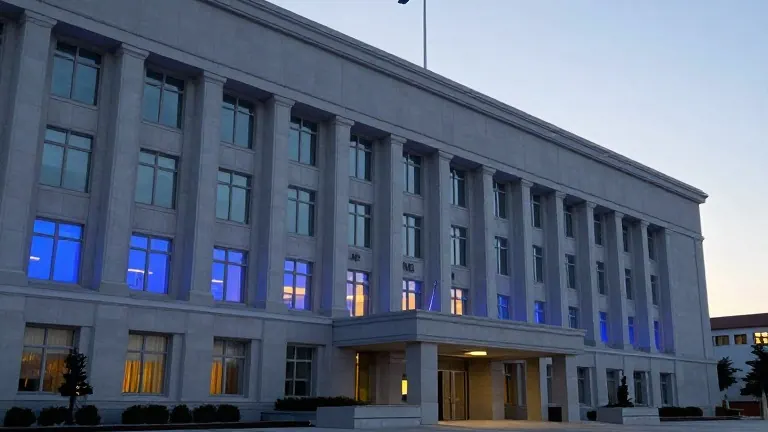
European governments are breathing easier after the United States held its midterm elections on November 3, 2026. Democrats captured control of the Congress, a shift that reduces immediate political friction across the Atlantic. However, political scientists say this change does not fundamentally alter how Washington handles security or trade with its allies.
During the campaign, neither major US party focused heavily on Europe. Issues like the Ukraine war and the status of Greenland received little attention. Erik Jones, director of the Robert Schuman Centre at the European University Institute, noted that the underlying trend in US foreign policy has remained steady across different administrations. He argued that this midterm result does not change that trajectory.
The idea that the United States must guarantee European security has weakened since the Obama administration began focusing on Asia. President Donald Trump accelerated this shift by criticizing NATO and threatening to take control of Greenland. Fredrik Erixon, an economist at the European Centre for International Political Economy, explained that while Democrats prefer predictable relationships, they lack a veto-proof majority in Congress. This means the president retains strong authority over foreign policy, particularly regarding Ukraine, Iran, and tariffs.
The conflict with Iran has raised global energy prices and fueled protests across Europe due to high living costs. Trump faces a choice between negotiating a deal that might leave Iran with influence over the Strait of Hormuz or resuming military action. Some Democratic lawmakers have proposed blocking war spending through the next government funding bill. In Ukraine, the new Congress may support Kyiv more strongly, but Ukrainian officials worry about the two-month gap before the new Congress convenes in January. They fear Trump may use this window to negotiate directly with Vladimir Putin.
Trump recently suggested a major agreement on Ukraine is coming soon. These comments came before trilateral talks in Abu Dhabi that have not yet produced a breakthrough. Michele Valensise, president of the Institute for International Affairs, warned that the US might negotiate exclusively with Russia, which would weaken the position of European allies. The Pentagon is also expected to review US military forces in Europe next month.
On trade, Democratic positions have moved closer to Republican protectionist views. Even if US courts strike down some of Trump’s tariffs, Europe may see little immediate relief. Erixon noted that the US administration is unlikely to start a renegotiation process in the next two years because the existing agreement involves mutual commitments. Jones concluded that the key question is how Europe will use the time bought by this election to prepare for a future where US engagement may be less predictable.