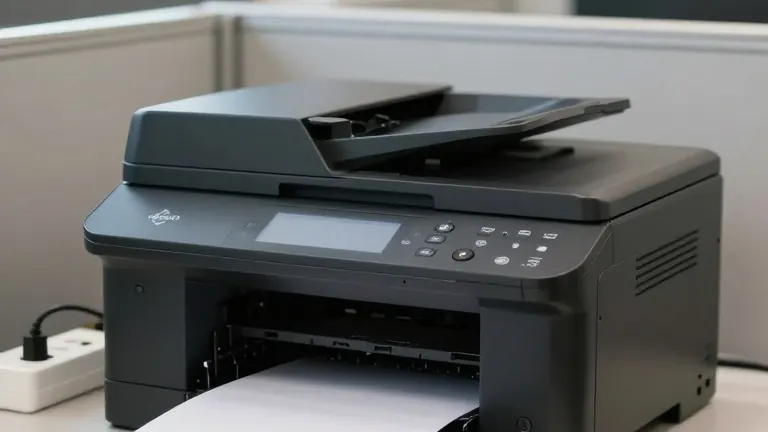
Printer flaws expose agencies to hackers
Audits reveal that outdated settings on office machines allow unauthorized access to sensitive data for police, schools, and hospitals.
By Oliver Bennett ·
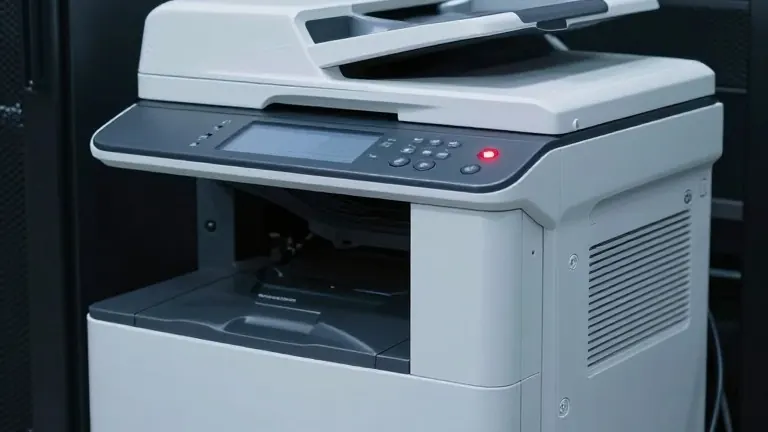
Office equipment in public agencies presents a direct security risk to residents. A confidential audit of machines across the United States shows that hackers can access sensitive information through standard office printers. The report identifies specific configuration errors that leave these devices vulnerable.
Many modern multifunction devices store data beyond just printed pages. Depending on the model, these machines may hold scanned documents, user address books, network settings, and scan histories. The devices also contain hard drives and firmware. If administrators do not change default passwords, the systems remain easy targets for intrusion.
InvestigateTV+ received the audit results and found potential problems in several agencies. The report indicates that doctors, schools, and police departments are among the groups at risk. The vulnerability stems from settings that have not been updated since the equipment was installed.
The issue extends beyond the printer itself. Because these devices are connected to local networks, a breach of one machine can provide a foothold into the wider system. This allows unauthorized users to view or steal stored files. The audit highlights the gap between the complexity of modern office hardware and the basic security settings often applied to it.
The findings suggest that physical devices in offices require the same scrutiny as software systems. Agencies must review the firmware and access credentials on every unit. Failure to do so leaves sensitive records exposed to external threats.
The report serves as a warning for institutions that rely on legacy hardware. Changing default passwords and updating firmware are necessary steps to close the gap. The audit provides a specific list of flaws that can be corrected to improve security.
Agencies nationwide now face the task of auditing their equipment. The confidential report details the specific settings that allow for easy access. Implementing these fixes is the first step in protecting the data stored on these devices.