
Nevada Weighs Ban on Crypto ATMs
Lawmakers aim to stop fraud targeting seniors, while major operators argue the machines offer essential services.
By Oliver Bennett ·
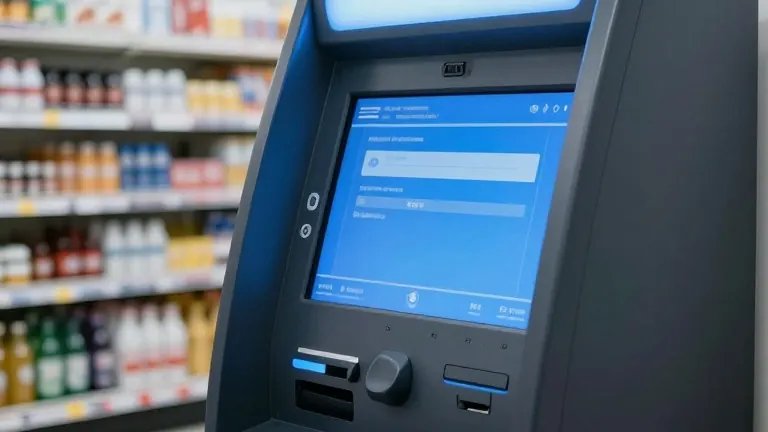
Nevada lawmakers are moving to ban cryptocurrency ATMs as a primary method for scammers to steal funds from seniors. The proposal pits senior advocacy groups against major ATM providers who argue the machines serve a vital role in the state's cash economy.
Assemblymember Reuben D’Silva of Las Vegas and Clark County requested a draft bill for the 2027 legislative session. The Legislative Committee on Senior Citizens, Veterans and Adults With Special Needs supports the move. D’Silva cites a lack of regulation in the state as a primary driver for the proposal.
Data from the FBI Internet Crime Complaint Center shows the scale of the issue. In 2025, victims filed 13,460 complaints regarding cryptocurrency ATMs and kiosks. Those victims reported total losses of $389 million. AARP notes that more than 70% of these victims were over the age of 60.
Tod Story, the state director for AARP Nevada, places the local impact at least at $5 million. He stated that AARP is opposed to the scams perpetuated against individuals through these kiosks. Advocates argue that international criminals are difficult to track. They also note that victims often struggle to recover funds unless law enforcement acts quickly.
CoinFlip, a major provider with 41 ATMs in Nevada and 23 in Las Vegas, opposes the ban. The company states it has championed consumer protection laws in more than 30 states. CoinFlip claims its compliance program includes multiple scam warnings before every transaction. These warnings include guidance called “Safe in Six” and confirm that no third party directed the customer to the kiosk.
The company also uses blockchain analytics to flag suspicious activity and permanently blacklists high-risk wallet addresses. CoinFlip works with local law enforcement to hold and reverse transactions for scam victims. The firm argues that claims of irreversibility and untraceability are false.
More than 30 states have enacted daily transaction limits and other security measures. Indiana was the first state to enact a complete ban. CoinFlip notes that independent contractors, such as drivers and salon employees, rely on these machines to convert cash pay into funds. The company asserts that Nevadans should have the freedom to choose how they buy crypto.