Nebraska robotics teams prepare for state competition amid growing industry demand
Randy Veach says the state faces a shortage of skilled workers in automation, while Tiffany Gamble aims to increase Black women's participation in the tech sector.
By Nadia Rahman ·
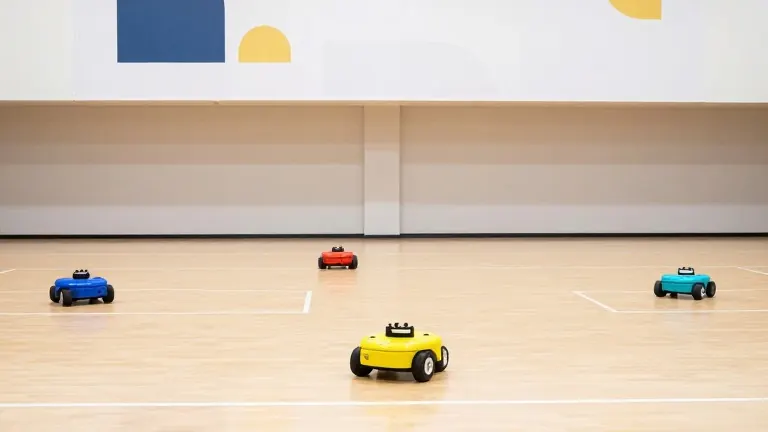
Approximately 21 robotics teams in Nebraska are currently competing in a scrimmage event. The participants are students between the ages of 10 and 18 who are refining their machines before the state championship. This competition serves as a practical training ground for a workforce that industry leaders say is underdeveloped.
Randy Veach, a program delivery partner with the Nebraska FIRST Tech Challenge, stated that the sector has a substantial gap in staffing. He noted that for every 100 jobs available in automation and robotics, only 30 are currently filled by qualified individuals. Veach argued that the state needs more young people engaged in these fields to meet future demand.
Tiffany Gamble, the executive director of the Emerging Ladies Academy, emphasized the need for broader representation in the industry. She pointed out that Black women make up only 1% to 3% of the tech workforce. Gamble said her organization focuses on preparing girls for the fourth industrial revolution. She wants to ensure they are ready for workforce development and career opportunities in AI and robotics.
Gamble observed that many girls are unaware of career options outside of traditional service roles. She aims to show them how their creativity and problem-solving skills apply to technical fields. The academy is currently accepting young women interested in technology to expand its roster.
Pearl Dayton-Kellogg, a student who aspires to become an aeronautical engineer, said the program is preparing her for that career path. She enjoys the collaborative aspect of building robots with her peers. Dayton-Kellogg advised newcomers not to give up despite the difficulty of the challenges.
Dayton-Kellogg reported that the number of female participants has increased compared to the previous year. She described seeing more girls at the recent event as a positive development. Veach added that machines build and process most daily necessities, including clothing and food, which drives the local need for skilled workers.
The teams are using the current scrimmage to identify and fix mechanical issues before the main state event. Veach described the competition as a method to build opportunities for students. Gamble and her team continue to recruit girls to close the representation gap in the sector.
More Business · Consumer Watch · Report a business · Got a Story?