Canada Warns of Peru Travel Disruptions
Global Affairs Canada urges caution as Pope Leo XIV arrives for a week-long visit that includes a mid-day shutdown at Cusco airport.
By Nadia Rahman ·
Global Affairs Canada has issued an updated travel advisory for Peru, warning visitors to prepare for major logistical changes during Pope Leo XIV’s arrival. The alert directs travelers to anticipate large crowds, intensified security, and widespread traffic disruptions from November 11 to November 17.
The update coincides with the start of the final leg of the Pope’s twelve-day tour of South America. Leo XIV arrived in Uruguay on November 6, marking the first papal visit to that country since 1988. He subsequently moved to Argentina on November 8, the first time a pope has visited that nation since 1987.
This journey represents the first overseas trip for the Chicago-born pontiff since he underwent lung cancer surgery in mid-October. As a naturalized Peruvian citizen who served as a bishop in the country for two decades, this visit serves as a homecoming. He previously held the position of bishop for the Diocese of Chiclayo from 2015 to 2023.
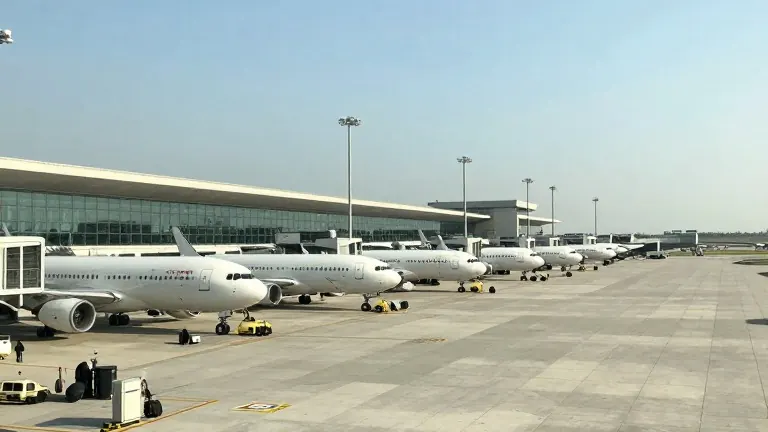
The most immediate impact on travel schedules occurs in Cusco. The airport will suspend all operations on November 15. According to the advisory, the suspension runs from 7:45 a.m. to 3:05 p.m. Local time applies to these operational windows.
Officials advise passengers to confirm their flight details directly with airlines, travel agencies, or tour operators. The advisory explicitly states that travelers should be prepared to adjust their plans if disruptions occur during the closure window.
Beyond the airport shutdown, the visit will affect major urban centers. Road closures and traffic disruptions are expected in Lima, Callao, Chiclayo, Cusco, and Pucallpa. Police presence will increase, and heightened security measures will be in place across these locations to manage the influx of visitors.
Canada maintains a baseline recommendation of a high degree of caution for Peru due to persistent crime levels and potential social conflicts. Certain regions carry stricter warnings. Some areas are designated as avoid non-essential travel, while others fall under the highest risk category, which advises avoiding all travel.
The Peruvian government has also declared a state of emergency in Lima, Callao, and several other provinces to address rising violent crime. This declaration grants the military the authority to assist police in responding to security incidents and natural disasters.
Under the state of emergency, authorities gain expanded powers. They may restrict freedom of movement, monitor correspondence, and conduct searches and seizures. Police may also detain persons of interest during this period.
Travelers present in Peru during this time should monitor local media for updates and follow instructions from local authorities. The advisory suggests avoiding large crowds to minimize exposure to potential security measures and traffic congestion.